Skip to content

FREE GUIDE: what to do when the power goes out. Get it by email →

prepn skills logo

Learn To Prep The Smart Way

  • Prep’N Skills
  • GuidesExpand
    • Power Outages
    • Emergency Water
    • Emergency Food
    • Kits & Go-Bags
    • Disasters A to Z
    • First Aid & Medicine
    • Survival Skills
    • Home, Family & Radio
    • Start Here
  • About
  • Contact
  • FAQ
  • Blog
prepn skills logo
Learn To Prep The Smart Way

Skill Mastery

Step-by-step guides for building core preparedness skills

Survival Knot Tying: 12 Knots Every Prepper Must Know
Skill Mastery

Survival Knot Tying: 12 Knots Every Prepper Must Know

ByRob B. April 28, 2026November 14, 2026

Twelve essential survival knots with load ratings, specific use cases, and step-by-step tying sequences: bowline, clove hitch, tautline hitch, figure-8, trucker’s hitch, square lashing, shear lashing, Prusik, sheet bend, timber hitch, anchor hitch, and butterfly loop.
Read More Survival Knot Tying: 12 Knots Every Prepper Must KnowContinue

Figure-4 Deadfall Trap: Construction, Trigger Adjustment, and Placement
Skill Mastery

Figure-4 Deadfall Trap: Construction, Trigger Adjustment, and Placement

ByRob B. April 28, 2026November 15, 2026

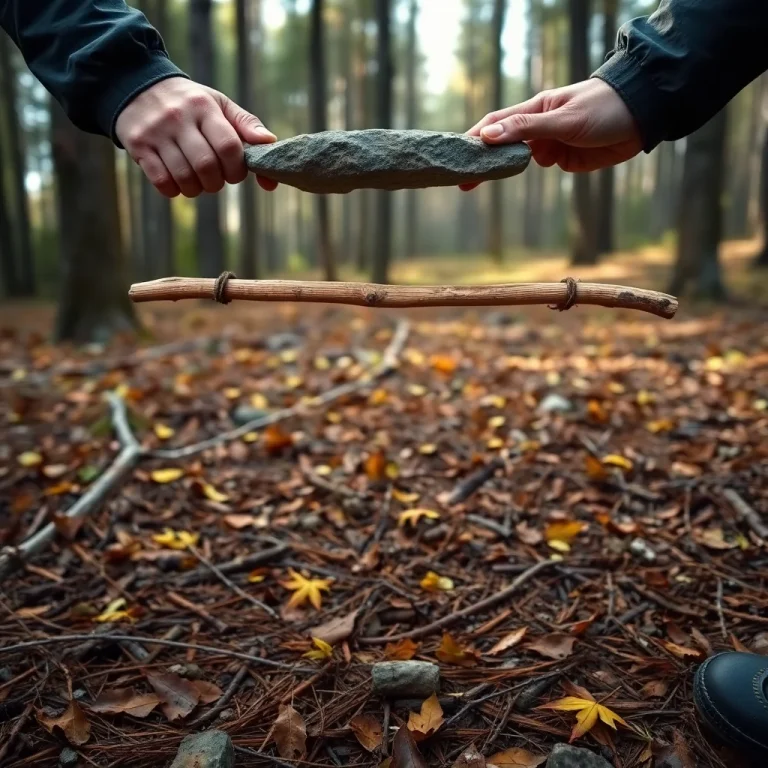
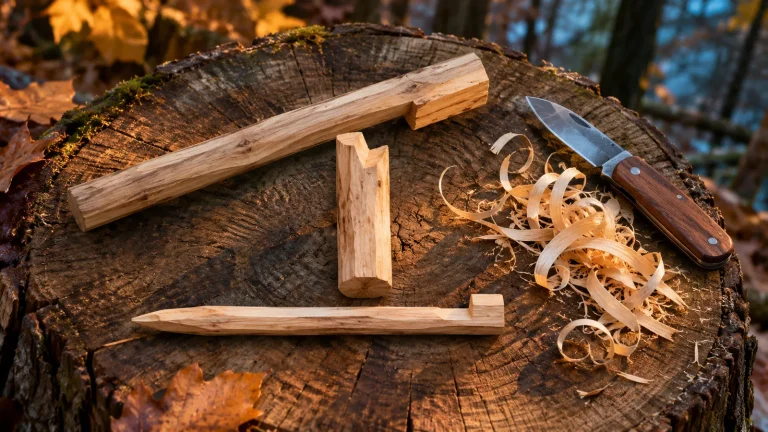
Step-by-step figure-4 deadfall construction with exact notch geometry, stick dimensions, and weight requirements. Covers trigger sensitivity adjustment, bait placement, and the three most common failure modes — wrong notch angle, insufficient weight, and wrong bait position.

Read More Figure-4 Deadfall Trap: Construction, Trigger Adjustment, and PlacementContinue

Wire Snare Trapping: Legal Overview, Setup, and Animal Targeting
Skill Mastery

Wire Snare Trapping: Legal Overview, Setup, and Animal Targeting

ByRob B. April 28, 2026November 15, 2026

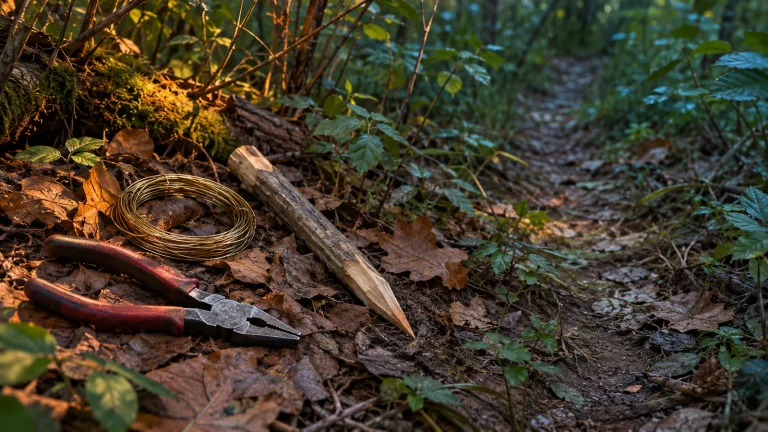
Wire snare setup for rabbit and squirrel: 24-gauge wire specifications, loop diameter and height by species, anchor stake method, and positioning on active runs. Legal status overview by state category and survival necessity doctrine.

Read More Wire Snare Trapping: Legal Overview, Setup, and Animal TargetingContinue

Seasonal Foraging Calendar: What to Find and Where by Month
Skill Mastery

Seasonal Foraging Calendar: What to Find and Where by Month

ByRob B. April 28, 2026November 15, 2026

Month-by-month foraging calendar for the Northeast and Southeast: what’s available, where to find it, and the harvesting window in weeks. Covers January through December with location notes (streambank, field edge, forest floor, disturbed soil).

Read More Seasonal Foraging Calendar: What to Find and Where by MonthContinue

Trapping and Snaring: 8 Traps That Produce Consistent Small Game
Skill Mastery

Trapping and Snaring: 8 Traps That Produce Consistent Small Game

ByRob B. April 28, 2026November 14, 2026

Eight field-proven traps for consistent small game: figure-4 deadfall, Paiute deadfall, wire snare, spring snare, bottle trap, box trap, and conibear set. Construction dimensions, trigger sensitivity, bait selection, and placement based on animal sign. Legal status overview by trap category.

Read More Trapping and Snaring: 8 Traps That Produce Consistent Small GameContinue

Skill Mastery

10 Wild Edibles That Grow Everywhere in North America

ByRob B. April 28, 2026November 14, 2026

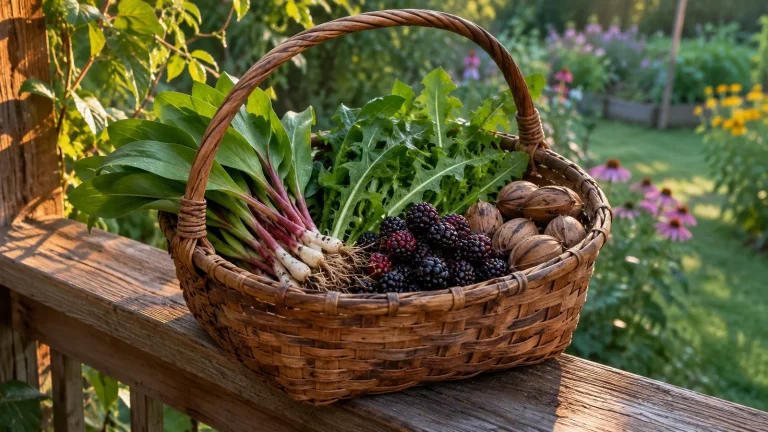
Ten wild plants reliably present across nearly all North American habitats — dandelion, cattail, purslane, wood sorrel, lamb’s quarters, blackberries, acorns, pine needles, rose hips, and clover. Identification markers, caloric density, and preparation method for each.

Read More 10 Wild Edibles That Grow Everywhere in North AmericaContinue

Poisonous Plants That Look Edible and How to Tell the Difference
Skill Mastery

Poisonous Plants That Look Edible and How to Tell the Difference

ByRob B. April 28, 2026November 15, 2026

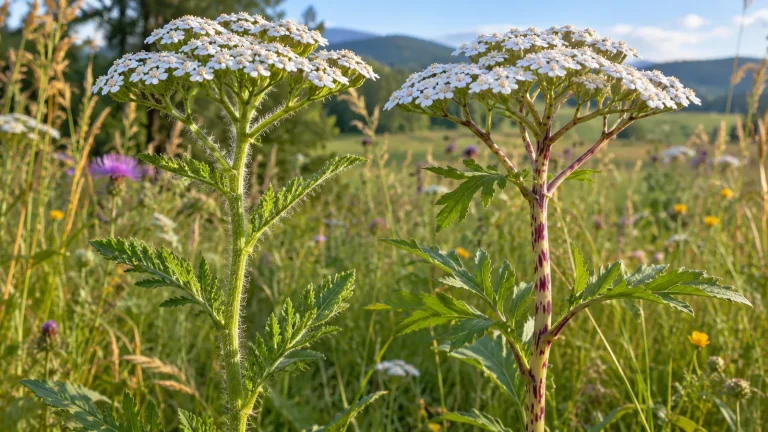
The most deadly plant look-alike pairs in North America: water hemlock vs wild carrot, death camas vs wild onion and garlic, poison hemlock vs Queen Anne’s lace, pokeweed vs elderberry. Specific distinguishing features and fatality context for each pair.

Read More Poisonous Plants That Look Edible and How to Tell the DifferenceContinue

Recognizing and Treating Hypothermia, Hyperthermia, and Shock
Skill Mastery

Recognizing and Treating Hypothermia, Hyperthermia, and Shock

ByRob B. April 28, 2026November 15, 2026

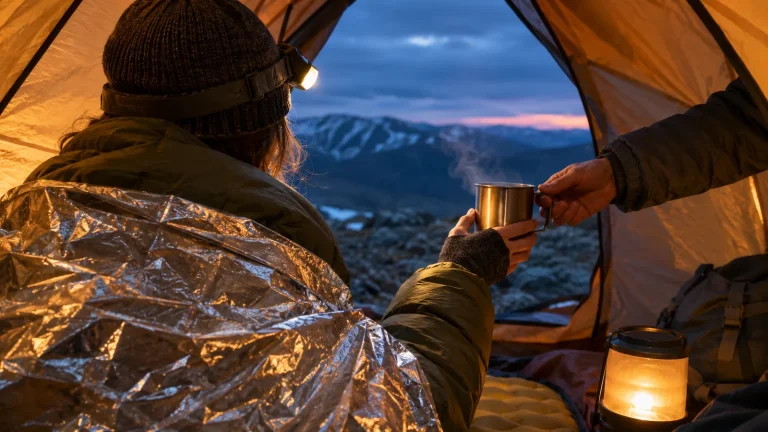
Field protocols for three life-threatening temperature and circulation emergencies: hypothermia stages HT-I through HT-IV with rewarming methods, heat stroke at 104°F with ice bath protocol, and hypovolemic shock positional treatment and fluid management.

Read More Recognizing and Treating Hypothermia, Hyperthermia, and ShockContinue

Foraging for Food: 40 Wild Edibles Across North American Regions
Skill Mastery

Foraging for Food: 40 Wild Edibles Across North American Regions

ByRob B. April 28, 2026November 14, 2026

A regional field guide to 40 reliably identifiable wild edibles across North America — Northeast, Southeast, Midwest, Southwest, and Pacific. Caloric content, identification markers, seasonal windows, and preparation notes for each plant.

Read More Foraging for Food: 40 Wild Edibles Across North American RegionsContinue

Field Wound Care and Infection Prevention Without a Hospital
Skill Mastery

Field Wound Care and Infection Prevention Without a Hospital

ByRob B. April 28, 2026November 15, 2026

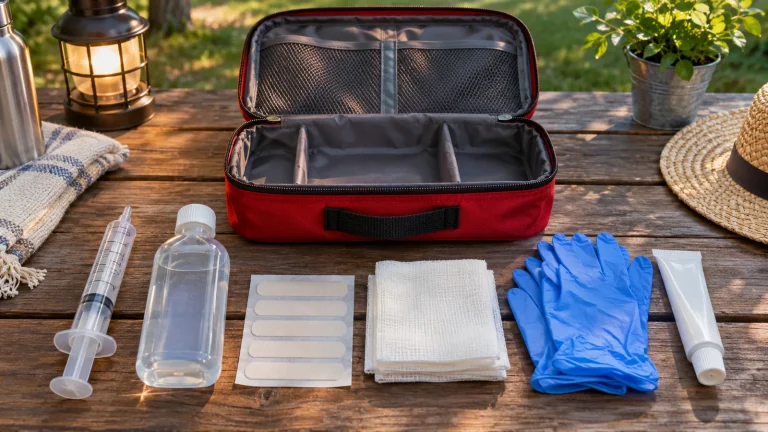
Complete field wound care protocol: irrigation at 8 psi with a 60mL syringe, closure options (Steri-Strip vs super glue vs suture), infection recognition, and antibiotic indications. Covers what to close, what to leave open, and how to recognize cellulitis before it becomes sepsis.

Read More Field Wound Care and Infection Prevention Without a HospitalContinue

Page navigation

Previous PagePrevious 1 2 3 4 5 6 Next PageNext
Prep ‘N Skills

Guides

  • Power Outages
  • Emergency Water
  • Start Here
  • Free Outage Guide
  • Outage Gear List

Help

  • Contact
  • FAQ
  • Privacy Policy
  • Terms of Use
  • Refund Policy
  • Affiliate Disclosure
  • Safety Disclaimer

Prep’N Skills

  • About
  • Blog

© 2026 Learn To Prep The Smart Way

  • Prep’N Skills
  • Guides
    • Power Outages
    • Emergency Water
    • Emergency Food
    • Kits & Go-Bags
    • Disasters A to Z
    • First Aid & Medicine
    • Survival Skills
    • Home, Family & Radio
    • Start Here
  • About
  • Contact
  • FAQ
  • Blog
Search