Skip to content

FREE SHIPPING — On all orders $50+

prepn skills logo

Learn To Prep The Smart Way

  • Prep’N Skills
  • ShopExpand
    • Clothing
    • Boots
    • Backpacks
    • Shelters
  • GuidesExpand
    • Preparedness BasicsExpand
      • Why I Canceled My Ring Subscription After 14 Months: Wh
      • FIFO Food Storage: How I Threw Out $140 in Supplies Bef
      • Home Power Backup: What I Learned After My Generator Fa
      • Prepper Mindset: What a $800 Gear Haul Taught Me About
      • Mutual Aid Networks: What Worked and What Failed on Our
      • Stockpiling Medications Legally: How a Pharmacy Closure
    • Scenario PlanningExpand
      • Hurricane Preparedness: Evacuation Decision, Storm Surg
      • Hurricane Supply List: 14-Day Quantities and Storage by
      • Tornado Preparedness: Warning Systems, Safe Room, and M
      • Winter Storm Preparedness: Blizzard, Ice Storm, and Hea
      • Earthquake Preparedness: Drop-Cover-Hold, Structural Ri
      • Earthquake Preparedness: Drop-Cover-Hold, Structural Ri
    • Skill MasteryExpand
      • Chemical Water Treatment: Iodine, Chlorine, and Chlorin
      • Best Survival Water Filters: Sawyer Squeeze vs Berkey v
      • Solar SODIS Water Purification: The No-Gear Method That
      • Fire Starting: 9 Ignition Methods From Primitive to Mod
      • Bow Drill Fire Starting: Step-by-Step From Wood Selecti
      • Best Fire Starters for Wet and Cold Conditions: Ranked
    • Regional GuidesExpand
      • Gulf Coast Hurricane Preparedness: Texas, Louisiana, Mi
      • Florida Hurricane Preparedness: Tampa Bay Surge Risk, E
  • About
  • Contact
  • FAQ
  • Blog
Shopping Cart 0
prepn skills logo
Learn To Prep The Smart Way

Skill Mastery

Step-by-step guides for building core preparedness skills

Skill Mastery

Improvised Splints and Fracture Management in the Field

ByRob B. April 28, 2026

Field fracture management: SAM splint and improvised splint construction, neurovascular check (CSM) protocol, traction splint indications for femur fracture, and padding requirements. Covers what to immobilize, how to check circulation post-splint, and when to attempt reduction.

Read More Improvised Splints and Fracture Management in the FieldContinue

Skill Mastery

Night Navigation by Stars: Polaris and Time-Based Methods

ByRob B. April 28, 2026

Finding north from Polaris using the Big Dipper, the Southern Cross for Southern Hemisphere navigation, and the shadow stick daytime method. Covers Polaris accuracy (within 1° of true north), error rate per mile, and when each method is applicable.

Read More Night Navigation by Stars: Polaris and Time-Based MethodsContinue

Wilderness First Aid: 15 Field-Treatable Emergencies
Skill Mastery

Wilderness First Aid: 15 Field-Treatable Emergencies

ByRob B. April 28, 2026

Fifteen field-treatable medical emergencies with specific treatment protocols: wound closure, tourniquet application, fracture splinting, hypothermia stages, heat stroke, anaphylaxis, improvised litter, and more. Includes temperature thresholds, pulse assessment, and supply requirements.

Read More Wilderness First Aid: 15 Field-Treatable EmergenciesContinue

Skill Mastery

Reading Topographic Maps: Contour Lines, Terrain Features, and Route Planning

ByRob B. April 28, 2026

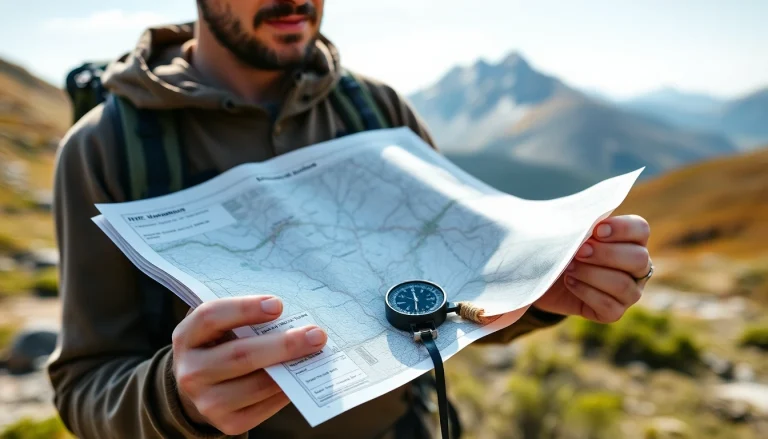
How to read USGS topographic maps: contour intervals, index contours, the five major terrain features (ridge, valley, saddle, peak, depression), route selection by terrain, and identifying water sources. Includes the USGS National Map download source.

Read More Reading Topographic Maps: Contour Lines, Terrain Features, and Route PlanningContinue

Wilderness Navigation: Map, Compass, and Stars Without GPS
Skill Mastery

Wilderness Navigation: Map, Compass, and Stars Without GPS

ByRob B. April 28, 2026

Complete wilderness navigation guide for GPS-free travel: baseplate compass use, magnetic declination adjustment, topo map contour reading, triangulation, dead reckoning, and night navigation by Polaris. Includes specific bearing methods, pace count calibration, and terrain association techniques.

Read More Wilderness Navigation: Map, Compass, and Stars Without GPSContinue

Skill Mastery

How to Use a Baseplate Compass: Bearing, Declination, and Triangulation

ByRob B. April 28, 2026

Step-by-step baseplate compass use: taking a bearing, adjusting for magnetic declination, following a bearing through terrain, taking a back bearing, and performing three-point triangulation on a topo map. Covers East vs West declination adjustment with examples.

Read More How to Use a Baseplate Compass: Bearing, Declination, and TriangulationContinue

Skill Mastery

Emergency Tarp Shelter: 8 Configurations With Paracord

ByRob B. April 28, 2026

Eight tarp shelter configurations for field use: A-frame, lean-to, diamond fly, plow point, bivy wrap, C-fly, wedge, and baker tent. Includes paracord length requirements, wind and rain performance ratings, and the right configuration for each scenario.

Read More Emergency Tarp Shelter: 8 Configurations With ParacordContinue

Skill Mastery

Preventing Hypothermia Without Shelter: Layering and Heat Retention

ByRob B. April 28, 2026

Layering systems, vapor barrier theory, and clothing choices that prevent hypothermia when shelter construction is not possible. Covers the 104°F core temperature survival threshold, base/mid/shell layer function, the cotton myth, and the wet-cold exposure timeline.

Read More Preventing Hypothermia Without Shelter: Layering and Heat RetentionContinue

Emergency Shelter: 6 Types You Can Build With What’s Around You
Skill Mastery

Emergency Shelter: 6 Types You Can Build With What’s Around You

ByRob B. April 28, 2026

Six emergency shelters buildable from available materials: debris hut, lean-to, A-frame tarp, snow cave, ramada, and natural windbreak. Includes insulation R-value equivalents, core temperature retention data, construction time estimates, and when each design outperforms the others.

Read More Emergency Shelter: 6 Types You Can Build With What’s Around YouContinue

Skill Mastery

Debris Hut Construction: The No-Tool Shelter That Saves Lives

ByRob B. April 28, 2026

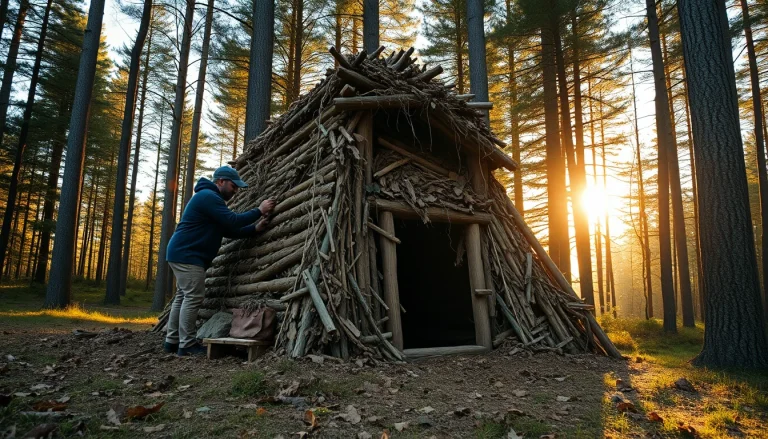
Step-by-step debris hut construction for one person using only materials found in a temperate forest. Covers ridge pole selection, ribbing geometry, lattice construction, debris depth (2-foot minimum), interior bedding, and core temperature retention. Includes common failure points.

Read More Debris Hut Construction: The No-Tool Shelter That Saves LivesContinue

Page navigation

Previous PagePrevious 1 … 3 4 5 6 Next PageNext
Prep ‘N Skills

Shop

Help

  • Contact Us
  • Size Chart
  • Sock Finder
  • Warranty
  • Returns

More Information

© 2026 Learn To Prep The Smart Way

Facebook Twitter Instagram
  • Prep’N Skills
  • Shop
    • Clothing
    • Boots
    • Backpacks
    • Shelters
  • Guides
    • Preparedness Basics
      • Why I Canceled My Ring Subscription After 14 Months: Wh
      • FIFO Food Storage: How I Threw Out $140 in Supplies Bef
      • Home Power Backup: What I Learned After My Generator Fa
      • Prepper Mindset: What a $800 Gear Haul Taught Me About
      • Mutual Aid Networks: What Worked and What Failed on Our
      • Stockpiling Medications Legally: How a Pharmacy Closure
    • Scenario Planning
      • Hurricane Preparedness: Evacuation Decision, Storm Surg
      • Hurricane Supply List: 14-Day Quantities and Storage by
      • Tornado Preparedness: Warning Systems, Safe Room, and M
      • Winter Storm Preparedness: Blizzard, Ice Storm, and Hea
      • Earthquake Preparedness: Drop-Cover-Hold, Structural Ri
      • Earthquake Preparedness: Drop-Cover-Hold, Structural Ri
    • Skill Mastery
      • Chemical Water Treatment: Iodine, Chlorine, and Chlorin
      • Best Survival Water Filters: Sawyer Squeeze vs Berkey v
      • Solar SODIS Water Purification: The No-Gear Method That
      • Fire Starting: 9 Ignition Methods From Primitive to Mod
      • Bow Drill Fire Starting: Step-by-Step From Wood Selecti
      • Best Fire Starters for Wet and Cold Conditions: Ranked
    • Regional Guides
      • Gulf Coast Hurricane Preparedness: Texas, Louisiana, Mi
      • Florida Hurricane Preparedness: Tampa Bay Surge Risk, E
  • About
  • Contact
  • FAQ
  • Blog
Search