
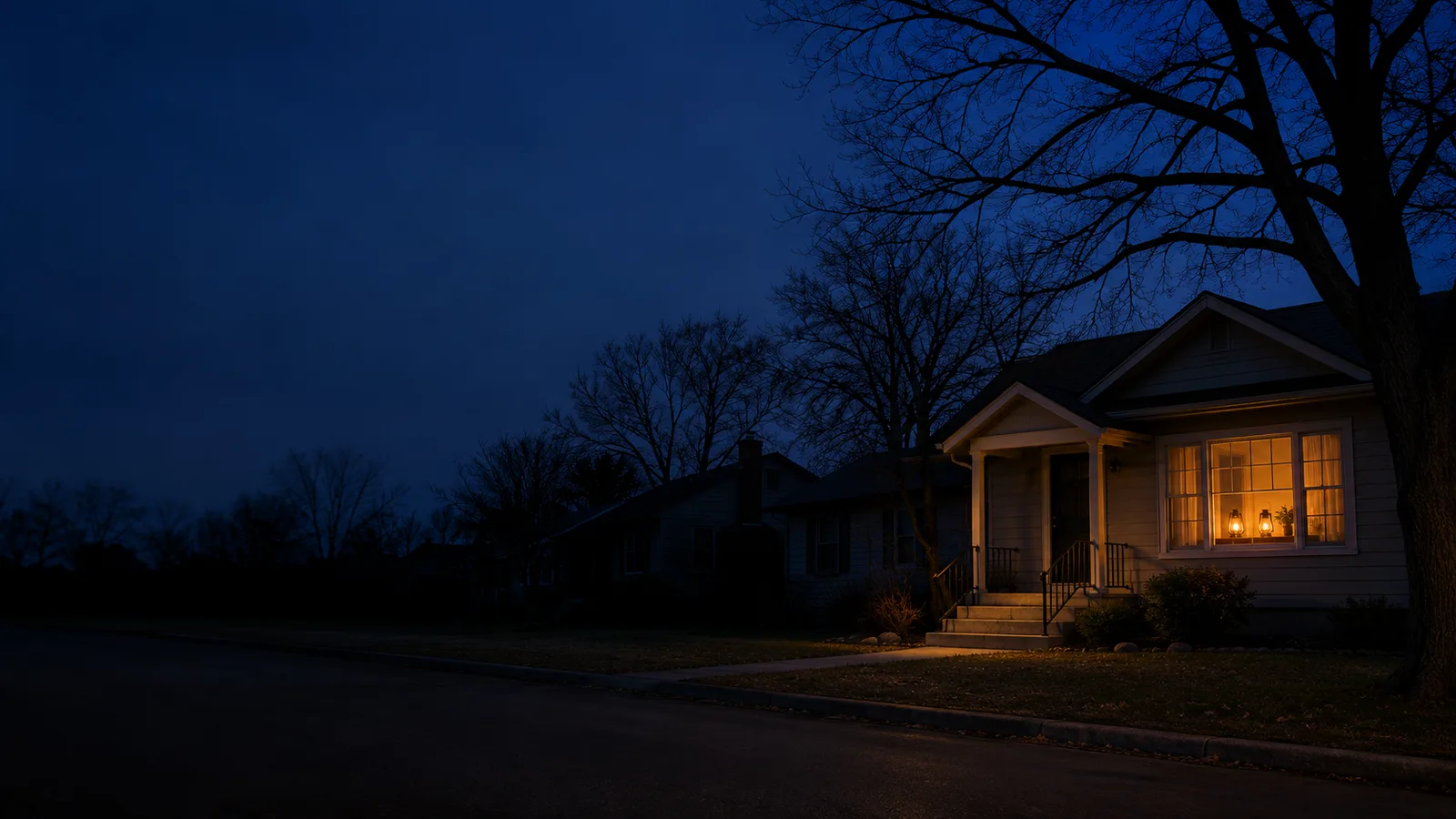
Be ready before the lights go out
A power outage runs on three clocks: the fridge at 4 hours, a half-full freezer at 24 and a full one at 48. Plan for 72 hours as the floor.
Get the free outage guideHow the clocks work →Browse by topic
Eight topics, each with three places to start. Power outages and water have full hub pages; the others are on the way.
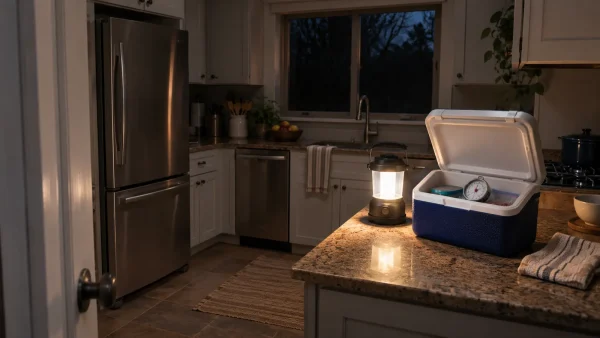
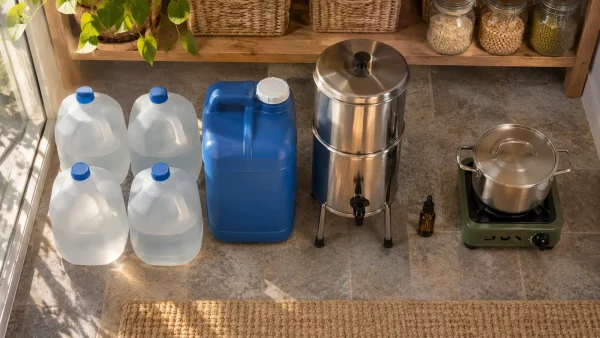
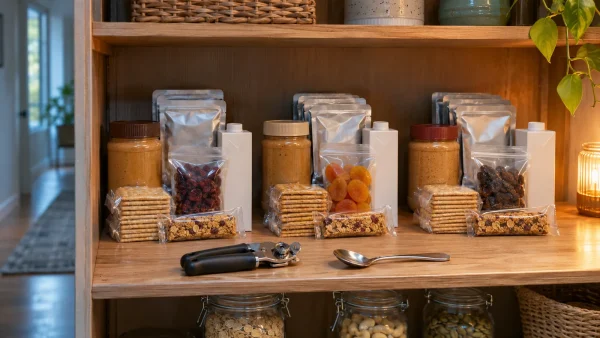
Emergency food
Food you can eat with no power, and how to store it.
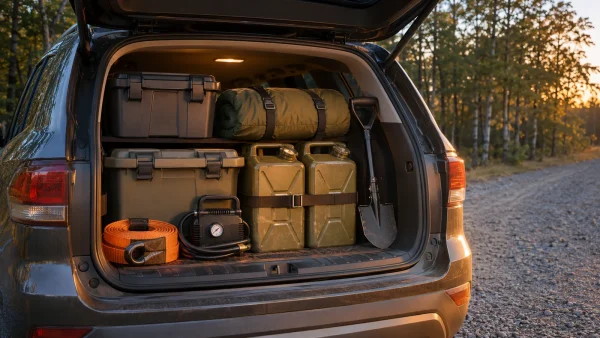
Kits and go-bags
What goes in the bag, the car and your pockets.

Disasters
Hurricanes, tornadoes, wildfires and the rest, one at a time.
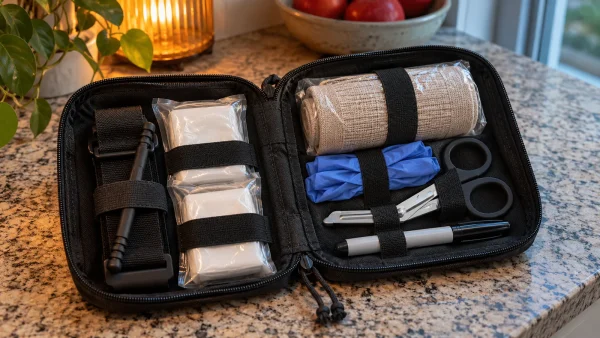
First aid
Bleeding, breaks and cold, when help is far away.

Survival skills
Fire, shelter and finding your way without a phone.
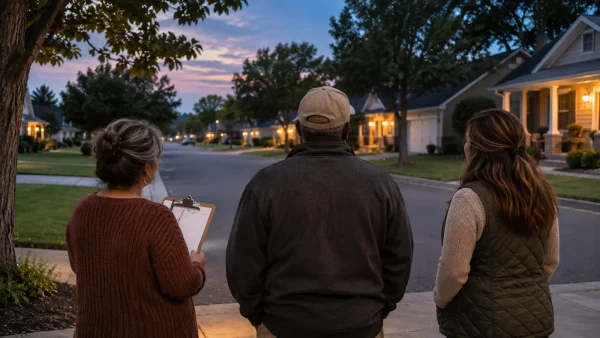
Home, family and radio
Locks, radios and a plan with the neighbors.
What actually broke since 2021
The 10 biggest outages in our free guide, by what households lost.
1 of 10cut household power. The rest cut something else: phones, fuel, food, pharmacy claims, apps and flights.
2 of 10cut phone calls, and one blocked calls to 911.
3 of 10were attacks. The other 7 were failures: a bad update, a network fault, a grid fault.
So plan for more than the lights. Keep cash, written phone numbers and a plan for reaching family without a phone. The record and every source are in the free guide.
| When | What | What households lost | Cause |
|---|---|---|---|
| Nov 2026 | Microsoft 365 | Work email and chat | Failure |
| Oct 2026 | French supermarkets | Food in about 700 stores | Attack |
| Jan 2026 | Verizon | Calls and texts | Failure |
| Oct 2025 | Amazon Web Services | Apps, including payment apps | Failure |
| Apr 2025 | Spain and Portugal grid | Power | Failure |
| Jul 2024 | CrowdStrike update | Flights and office PCs | Failure |
| Feb 2024 | AT&T | Calls, including to 911 | Failure |
| Feb 2024 | Change Healthcare | Pharmacy claims | Attack |
| Jan 2023 | FAA | Flights | Failure |
| May 2021 | Colonial Pipeline | Fuel | Attack |
Start here: 72 hours, then a week
At 1 gallon per person per day, a family of four needs 12 gallons for 72 hours and 28 for a week. Do these in order.
- WaterStore 3 gallons per person. Emergency water
- Food with no cookingThree days of meals that need no power. The 72-hour plan
- Light, radio, powerThe few things that matter when the grid is down. Power outages
- Stretch it to a weekThen 7 gallons each, and food you rotate. Food storage
Gear
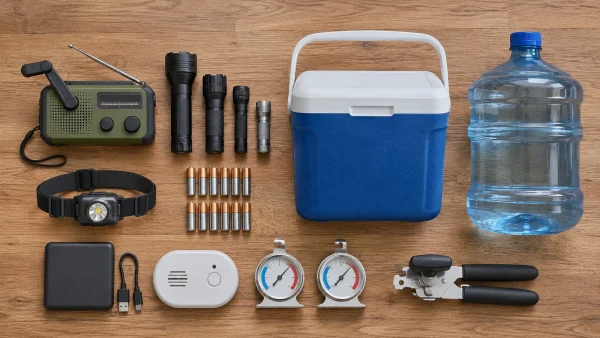
The outage gear list: what to buy first and what each piece is for.
See the outage gear list