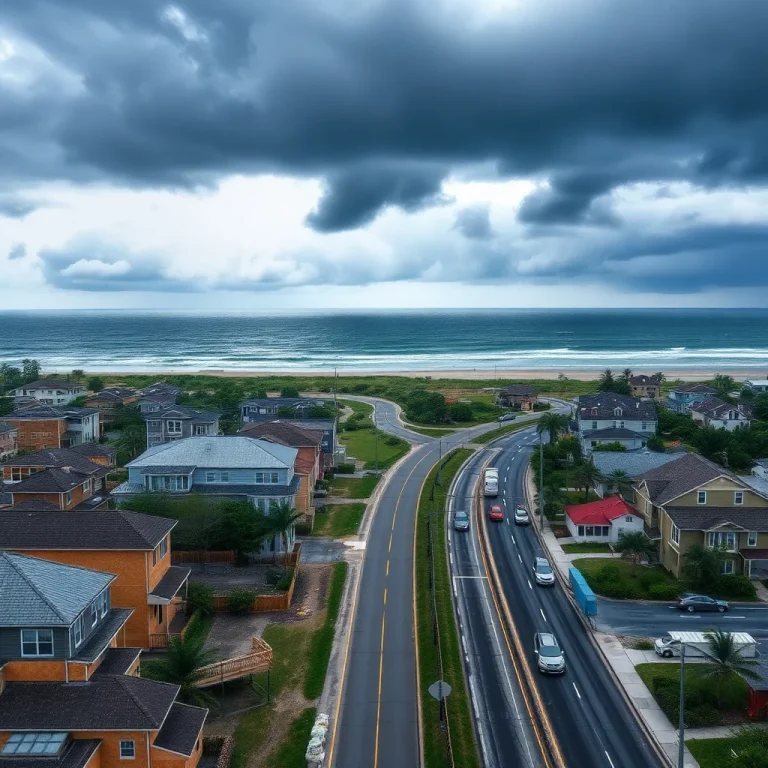
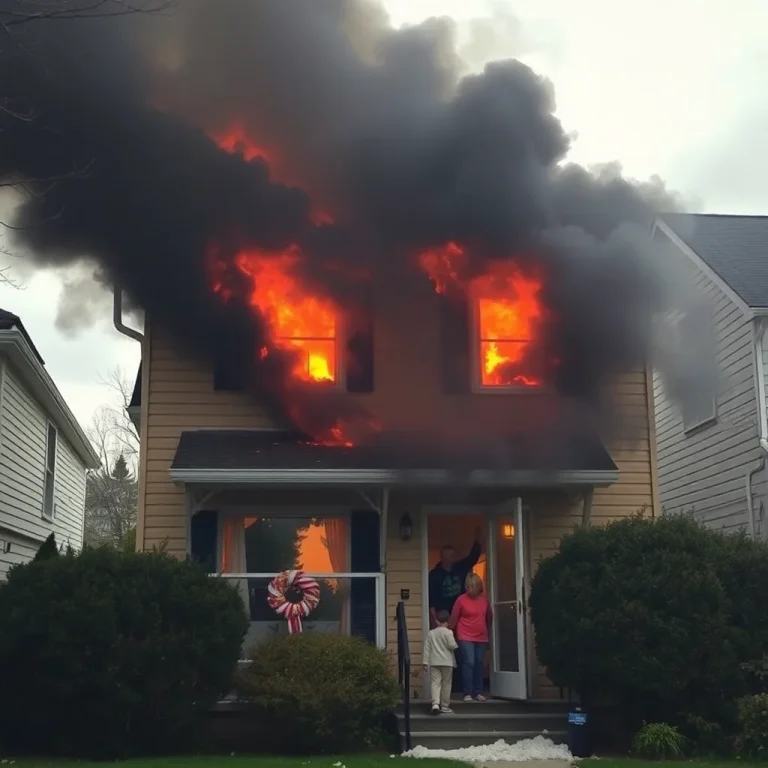
A coordinated neighborhood can accomplish search and rescue, welfare checks, and supply sharing that no individual household can match. After the Joplin tornado (2011) and Hurricane Harvey (2017), the most effective early rescue operations were carried out by neighbors before professional responders arrived. This guide provides a practical template for building neighborhood emergency coordination before any emergency occurs.
Block Captain Structure
A block captain is responsible for knowing the households in their zone and ensuring no one is overlooked during an emergency. The structure:
- Zone size: Each block captain covers 10–15 households. Larger zones reduce effectiveness of welfare checks; smaller zones require more captains.
- Block captain responsibilities: Know the names and contact information of all households in their zone; know who has mobility limitations or medical dependencies; conduct welfare checks within 1 hour of a major event; report status to the neighborhood coordinator.
- Neighborhood coordinator: One person responsible for the overall neighborhood plan — communicating with county emergency management, coordinating shared resources, and maintaining the resource map.
Household Resource Inventory
A pre-disaster household inventory identifies skills and equipment before they are needed. Survey each household for:
| Category | Survey questions |
|---|---|
| Medical skills | RN, EMT, paramedic, CERT-trained, first aid certified, physician, pharmacist |
| Technical skills | Licensed electrician, plumber, HVAC tech, mechanical/diesel, licensed HAM operator |
| Agricultural skills | Food production, canning/preservation, livestock management |
| Construction skills | Structural assessment, roofing, carpentry, masonry |
| Heavy equipment | Generator (and wattage), chainsaw, tractor or skid-steer, pump |
| Medical equipment | AED (and training), stretcher, wheelchair, oxygen concentrator |
| Vulnerabilities | Mobility-limited residents, electricity-dependent medical devices, non-English speaking |
Keep this inventory updated annually. Many households will share equipment and skills if simply asked — but they won’t volunteer information if no one asks.
Communication Protocol
- Primary: Group text chain — Create a neighborhood group text with all households. This is the fastest notification method for most scenarios where cell service is intact.
- Secondary: GMRS/FRS radios — Assign a designated channel (GMRS channel 20 or FRS channel 7 are common community emergency channels). Brief the neighborhood on the channel; each block captain has a radio. GMRS requires a license ($35, no test, covers the whole family) but extends range to 1–2 miles line-of-sight.
- Tertiary: Physical meeting points — Two predetermined meeting locations: one at the neighborhood entrance and one at a nearby park or school. Post-event in-person coordination when communications fail.
Welfare Check Protocol
A structured welfare check prevents both missed households and duplicated effort: