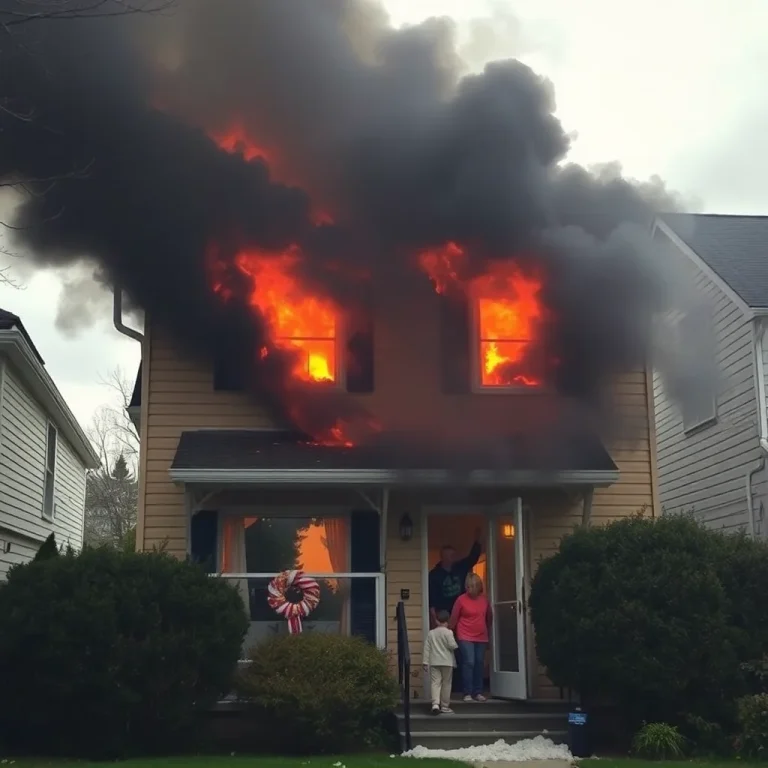
Zone 0 — the area within 5 feet of the home’s foundation — is the highest-return wildfire mitigation zone. Embers landing in Zone 0 ignite the home; the fire front arrives later, if at all. This checklist covers the specific modifications that eliminate the primary ember ignition points identified in post-fire structure ignition research from Insurance Institute for Business and Home Safety (IBHS) and University of California fire research programs.
Zone 0 Checklist: Noncombustible Within 5 Feet
- Replace wood or rubber mulch with decomposed granite, pea gravel, or concrete in the 5-foot perimeter. Wood chips ignite readily and can smolder.
- Remove all combustible plants, shrubs, and ground cover from direct contact with the foundation. Even drought-tolerant plants touching the house create a fuel bridge to the structure.
- Move firewood piles to at least 30 feet from the house (CAL FIRE’s Zone 2). A firewood stack under a deck is a complete-loss scenario.
- Remove wood deck furniture and cushions when wildfire threats are elevated — cushions and wooden furniture catch embers easily.
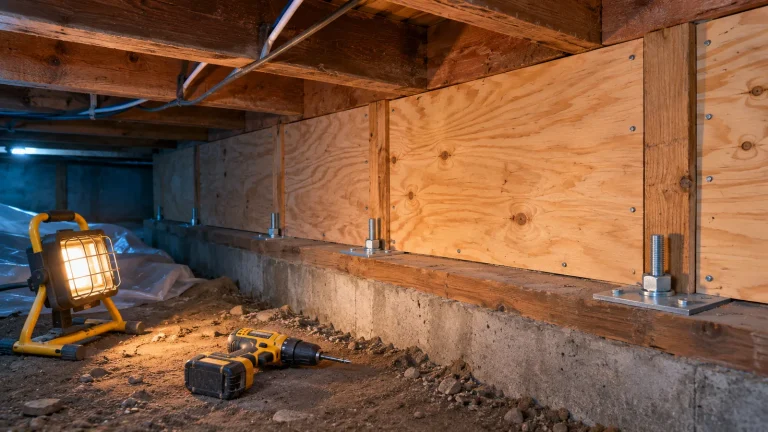
- Cover or enclose the space under decks and porches with 1/16-inch metal mesh — this prevents ember accumulation in the underfloor space.
Ember-Resistant Vents
Standard louvered vents and mesh vents (1/4″ and larger mesh) allow ember entry into attic and crawlspace spaces where they can smolder and ignite. This is one of the most common home ignition pathways in wildfire research.
- 1/16-inch metal mesh: The minimum mesh size that blocks all but the smallest embers. Replace standard plastic-framed vents with metal-framed units with 1/16″ or smaller metal mesh. Ember-resistant replacement vents are sold by several makers; check the product listing for ember and flame testing.
- Intumescent vents: Some ember-resistant vents use an intumescent (heat-expanding) coating that closes the vent when exposed to fire heat. They cost more than mesh-only vents; check the maker’s spec sheet for how a given model works.
- Gable vents: Large gable vents create the largest ember entry surface. Cover with interior wire mesh in addition to any exterior vent replacement for double protection.
Gutter Protection
Leaf-filled gutters are ember collectors. When an ember lands in a gutter filled with dry leaves, a smoldering fire begins that burns into the roofing material:
- Clean gutters before and during fire season — remove all leaf and debris accumulation
- Install metal gutter guards (micro-mesh style, such as LeafFilter or Mastershield) that prevent debris accumulation while maintaining water flow. Micro-mesh also blocks ember entry into the gutter channel itself.
- Alternatively, install noncombustible materials in gutters: some homeowners fill gutters with sand or gravel to prevent debris accumulation. We found no fire-agency guidance endorsing this, and it can block drainage, so metal gutter guards are the safer choice.
Deck and Fence Assessment
Wood decks and fences create a direct fuel path to the structure:
- Deck replacement materials: Composite decking (Trex, Fiberon) is still combustible. The most ember-resistant option is concrete pavers, tile, or stone decking. If replacing a wood deck, use composite or noncombustible materials.
- Fence materials: A wood fence running directly from the wildland interface to the house creates a fire pathway. At minimum, replace the section that attaches to the house and runs through Zone 0 (the first 5 feet) with metal or masonry fencing, or remove that section to create a break.
Window and Exterior Wall Assessment
- Tempered glass: Standard single-pane or double-pane windows with standard glass fail from radiant heat before direct flame contact. Tempered glass (safety glass) is significantly more resistant. The window rating on the frame shows whether glass is tempered (look for “T” or “Tempered” etched in a corner).
- Ember-resistant window screen frames: Metal window screens rather than plastic-framed screens reduce ember retention at windows.
- Exterior siding: Stucco, brick, and fiber cement (James Hardie) are significantly more fire-resistant than wood lap siding or vinyl. If residing, choose fiber cement at minimum.
The full wildfire evacuation guide — including defensible space zones 1 and 2, evacuation decision triggers, and the 15-minute go kit — is in wildfire evacuation: defensible space, go/no-go decision, and evacuation kit.