
Field fracture management means immobilization, not reduction. Do not attempt to straighten fractured bones in the field — this risks additional vessel and nerve damage. The exceptions are narrow and specific. This article covers splinting technique, materials, and the neurovascular checks that determine whether a splint is safe. The broader first aid context is in wilderness first aid: 15 field-treatable emergencies.
Fracture Recognition Without Imaging
Signs consistent with fracture (no X-ray required to treat):
- Point tenderness: Pain that increases specifically when you press directly on the bone (not the surrounding soft tissue)
- Crepitus: Grinding or grating sensation when the area is palpated (do not deliberately reproduce this — assess only if it occurs)
- Deformity: Visible angulation, shortening, or rotation of the limb compared to the uninjured side
- Swelling and ecchymosis: Immediate swelling and bruising (within 30 minutes) is consistent with fracture; delayed swelling (hours later) is more consistent with soft tissue injury
- Inability to bear weight or use: If the patient cannot use the extremity for its function, treat as a fracture
When uncertain, splint and treat as a fracture. Splinting a sprain causes minimal harm; not splinting a fracture risks permanent injury.
Neurovascular Check (CSM): Before and After Every Splint
Always perform a CSM check before applying a splint and immediately after:
- Circulation: Check the pulse distal to the fracture (radial pulse for forearm/wrist fractures, dorsalis pedis or posterior tibial pulse for leg fractures). Note skin color and temperature compared to the uninjured side.
- Sensation: Ask the patient to identify light touch or a pinprick at two points distal to the fracture. Compare to the uninjured side. Decreased or absent sensation indicates nerve compression.
- Movement: Ask the patient to move fingers or toes on the injured extremity. Inability to perform any movement suggests nerve or tendon involvement requiring urgent evacuation.
If the post-splint CSM shows decreased circulation or sensation compared to pre-splint: loosen the splint immediately — a too-tight splint can cause compartment syndrome. Re-check CSM after loosening. If circulation is absent distal to the fracture (pulseless, cold, white or blue limb), this is a vascular emergency requiring manipulation to attempt restoration of blood flow — a specific skill requiring medical training.
SAM Splint Application
A SAM Splint (Structural Aluminum Malleable splint) is a 4.25-inch wide × 36-inch aluminum strip coated in closed-cell foam. Weight: 80g (2.8 oz). It conforms to any body contour and can be shaped to any extremity fracture. The SAM Splint is the most versatile field splinting material available — one splint handles wrist, forearm, ankle, knee, and cervical applications.

Similar Posts

Home Security in Grid-Down: Hardening, Early Warning, and OPSEC
Home security in grid-down conditions: door and window hardening specifications, perimeter early warning systems, operational security for avoiding targeting, neighborhood watch coordination, and layered defense principles. Cost-effective measures ranked by effectiveness.
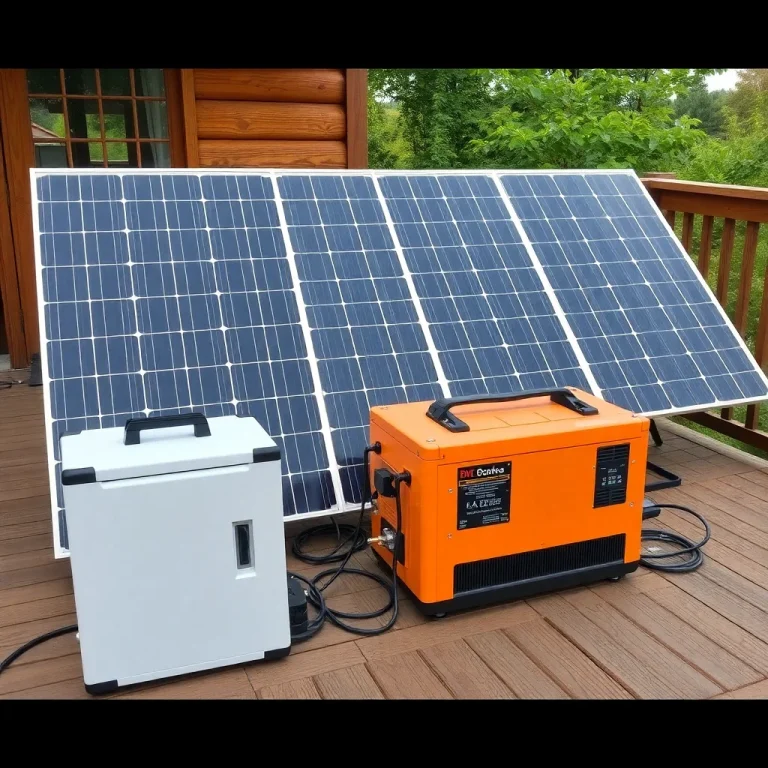
Emergency Power: Generators, Solar Panels, and Battery Banks
Emergency power systems for grid-down: portable generator sizing by wattage needs, inverter generator vs conventional, solar panel and charge controller selection, deep cycle battery bank sizing for critical loads, and whole-house transfer switch installation. Fuel consumption rates and runtime calculations.